Korean Apartments: Decoding 동, 호, and 차 in Addresses
June 12, 2026
You’ve just found a great deal on a Korean online shop — but when you get to the shipping form, you freeze. The address has “101동 502호” or “A차 203동 1104호” and you have no idea what any of it means. Sound familiar?
Korean apartment addresses follow a logical, hierarchical system — but it’s completely different from Western conventions. Once you understand what 동 (dong), 호 (ho), and 차 (cha) mean, filling out any Korean shipping form or visa application becomes straightforward.
This guide breaks down each component so you can decode any Korean apartment address with confidence.
[toc]
Key Takeaways
- 동 (dong) = the building number within an apartment complex — like “Building 3” in English
- 호 (ho) = the specific unit or apartment number inside that building — like “Apt 502”
- 차 (cha) = a phase or section of a large-scale development, used when a complex was built in stages
- Korean addresses list location from largest to smallest — city → district → street → complex → building → unit
- On international shipping forms, combine 동 and 호 in the “Address Line 2” field (e.g., 101-dong, 502-ho)
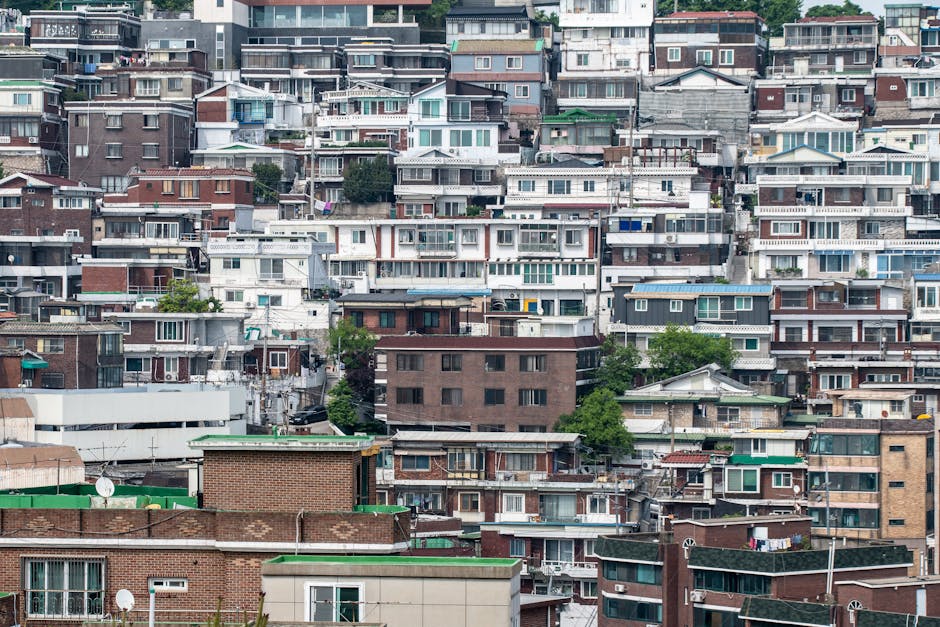
Large Korean apartment complexes often contain dozens of buildings — each identified by a unique 동 (dong) number.
Why Korean Apartment Addresses Confuse Foreigners
In most Western countries, an apartment address looks like this: 742 Evergreen Terrace, Apt 3B, Springfield. The street is the anchor, and the unit number hangs off it.
Korea works very differently. The dominant housing type is the 아파트 (apart-eu) — a large apartment complex containing dozens of high-rise buildings, housing thousands of residents. Because the buildings don’t each have their own street address, they are numbered within the complex instead.
So instead of “742 Maple Street, Unit 502,” a Korean address might read:
서울특별시 강남구 테헤란로 123 (단지명 아파트)
101동 502호
Translated: Seoul, Gangnam-gu, Teheran-ro 123, [Complex Name] Apt, Building 101, Unit 502.
The 동 and 호 are not part of the street address — they identify which building and which door inside the complex. This system is completely normal for Koreans, but it trips up every foreigner filling out their first Korean form.
What Does 동 (Dong) Mean in Korean Addresses?
동 (棟, dong) literally means “building” or “tower.” When you see 101동, it means Building 101 of the apartment complex. The number before 동 is simply the building’s ID within that development.
How 동 Numbers Work
A typical Korean apartment complex might have anywhere from 5 to 50+ buildings. Each is assigned a 동 number by the developer — usually sequential (101동, 102동, 103동…) but sometimes with gaps or non-sequential numbering.
The 동 number is displayed prominently on the building itself — large numerals on the exterior wall or lobby entrance. If you’re physically visiting, look for it on the building facade.
동 in English on Shipping Forms
When you need to romanize 동 for an English-language form, write it as “-dong” appended to the number:
| Korean | English / Romanized | Meaning |
|---|---|---|
| 101동 | 101-dong | Building 101 |
| 205동 | 205-dong | Building 205 |
| A동 | A-dong | Building A |
Note that some newer complexes use letters (A동, B동) instead of numbers, especially luxury or branded developments.
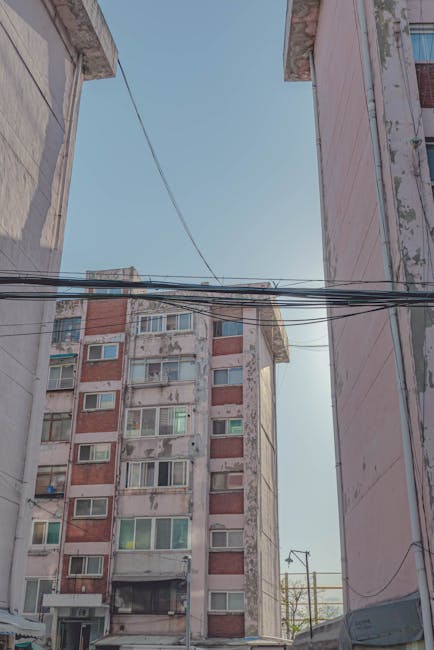 Every building in a Korean apartment complex carries a 동 number — the first thing you need to find when navigating to a specific unit.
What Does 호 (Ho) Mean in Korean Apartments?
호 (號, ho) means “number” in the sense of a designated unit or room. In apartment context, 호 is your specific unit number — the individual apartment door you live behind.
How Korean Unit Numbers Are Structured
Korean unit numbers follow a predictable format: the first one or two digits indicate the floor, and the remaining two digits indicate the unit position on that floor.
| 호 Number | Floor | Unit on Floor | Reading |
|---|---|---|---|
| 502호 | 5th floor | Unit 02 | “Five hundred two ho” |
| 1104호 | 11th floor | Unit 04 | “Eleven oh four ho” |
| 301호 | 3rd floor | Unit 01 | “Three oh one ho” |
| 2003호 | 20th floor | Unit 03 | “Two thousand three ho” |
This means 502호 tells you exactly where the apartment is: 5th floor, second unit from the stairwell. It’s actually more informative than most Western systems once you understand the pattern.
호 in English on Shipping Forms
Romanize 호 as “-ho” or write it out as “Unit [number]”:
- 502호 → 502-ho or Unit 502
- 1104호 → 1104-ho or Unit 1104
For international courier forms (FedEx, DHL, UPS), “Unit 502” is universally understood and often preferred over the romanized “-ho” form.
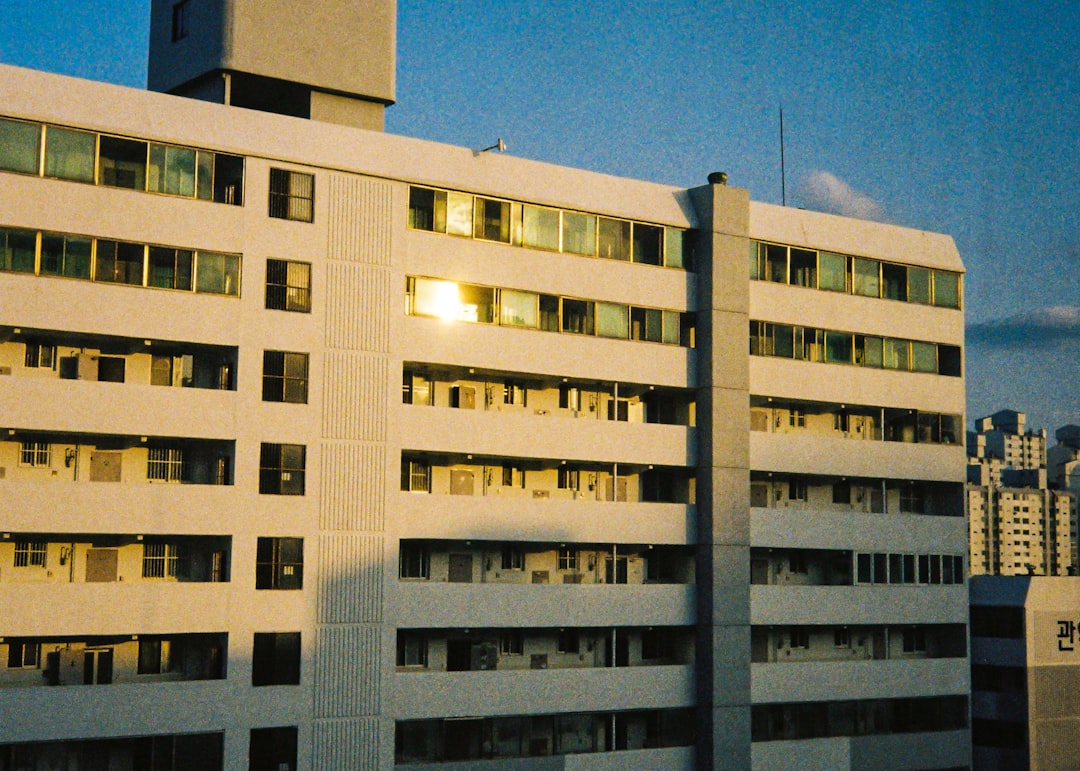 Korean apartment complexes are identified by their 단지 (complex) name, then broken down by 동 (building) and 호 (unit).
What Is 차 (Cha) in Korean Addresses?
차 (次, cha) means “phase” or “sequence.” It appears in addresses when a large apartment development was built in multiple construction phases over several years.
Why Developers Use 차
A major Korean apartment complex might involve thousands of units. Rather than building everything at once, developers often break the project into phases — Phase 1 (1차), Phase 2 (2차), Phase 3 (3차) — completed over 5-10 years.
Each phase may have its own:
- Separate entrance gate
- Separate management office
- Separate 동 numbering sequence
- Slightly different design or amenities
This is why the 차 appears in the address — it tells you which construction phase section of the overall development to go to.
Example: Reading a 차 Address
경기도 성남시 분당구 정자동 한솔마을 2차
105동 1803호
Breakdown: Gyeonggi Province → Seongnam City → Bundang District → Jeongja-dong neighborhood → Hansol Maeul Complex → Phase 2 → Building 105 → Unit 1803 (18th floor, unit 03).
Without knowing that 2차 = Phase 2, you might end up at the wrong entrance — and Building 105 in Phase 1 would be an entirely different building from Building 105 in Phase 2.
Not All Addresses Have 차
Most Korean apartment addresses do not include 차. It only appears for large, phased developments. If your address doesn’t have it, you don’t need to worry about it.
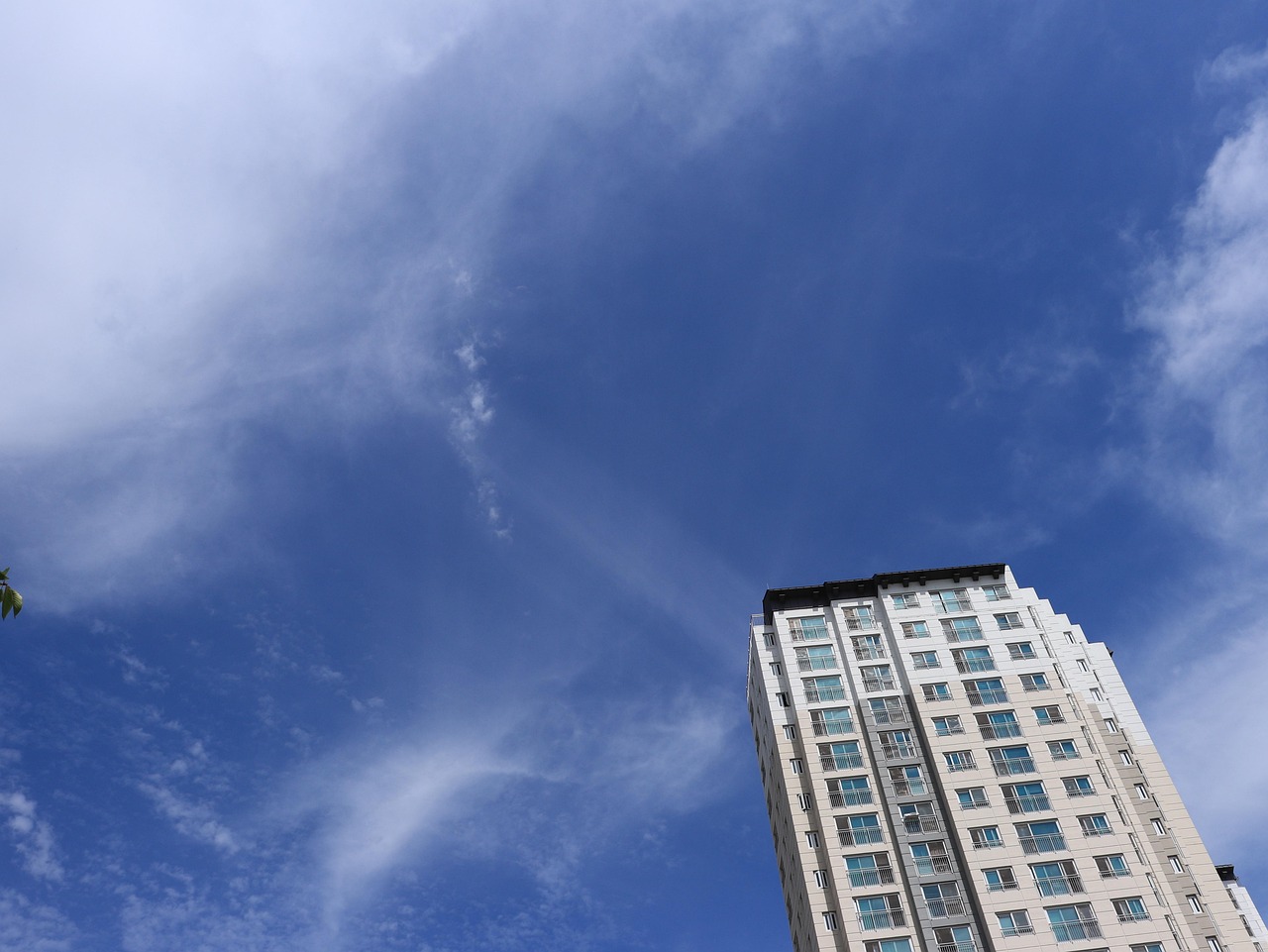 High-rise Korean apartment towers are numbered with 동 — essential information for couriers, visitors, and shipping forms.
How a Full Korean Apartment Address Is Structured
Korean addresses move from largest to smallest — the opposite of most European conventions and closer to Japanese addressing. Here’s the full hierarchy:
| Level | Korean Term | English Equivalent | Example |
|---|---|---|---|
| 1 | 시/도 (si/do) | City / Province | 서울특별시 |
| 2 | 구/군 (gu/gun) | District / County | 강남구 |
| 3 | 로/길 (ro/gil) | Street | 테헤란로 152 |
| 4 | 단지명 (danji) | Complex Name | 강남아이파크 |
| 5 | 차 (cha) | Phase (if applicable) | 2차 |
| 6 | 동 (dong) | Building Number | 101동 |
| 7 | 호 (ho) | Unit Number | 502호 |
A complete address written out in Korean:
서울특별시 강남구 테헤란로 152 강남아이파크 101동 502호In English, the same address would read:
Gangnam I'Park, 152 Teheran-ro, Gangnam-gu, Seoul 06236, South Korea
Building 101, Unit 502
How to Fill Out International Shipping Forms
When shipping to a Korean apartment from abroad — for example, using Amazon Global, eBay Global Shipping, or a forwarding service — you’ll need to enter the address in a Western form layout. Here’s how to map the Korean components:
| Form Field | What to Enter | Example |
|---|---|---|
| Name | Recipient’s full name (romanized) | Kim Minsu |
| Address Line 1 | Street number + street name | 152 Teheran-ro |
| Address Line 2 | Complex name + Building + Unit | Gangnam I’Park 101-dong 502-ho |
| City | Si or Gu level | Gangnam-gu, Seoul |
| State / Province | Leave blank or write Seoul | Seoul |
| ZIP / Postal Code | 5-digit Korean postal code | 06236 |
| Country | South Korea / Korea, Republic of | South Korea |
Pro tip: Use jusome.com to instantly convert any Korean address into the correct English format — including proper romanization of 동 and 호.
Including 차 on Shipping Forms
If your address includes a 차 (phase), add it before 동 in Address Line 2:
Address Line 2: Hansol Maeul 2-cha 105-dong 1803-hoCommon Mistakes When Using 동, 호, and 차
Even Koreans get these wrong occasionally. Here are the most frequent errors foreigners make — and how to avoid them:
1. Confusing 동 (Building) with 동 (Neighborhood)
The word 동 has two completely different meanings in Korean addresses:
- 동 as a neighborhood: 역삼동 (Yeoksam-dong) — a geographic district within a city
- 동 as a building: 101동 — a building number within an apartment complex
In a full address, the neighborhood 동 appears earlier (attached to the district name), while the building 동 appears at the end with a number prefix. Context makes them easy to distinguish once you know to look.
2. Omitting the Complex Name
The 단지명 (complex name) — like “래미안”, “아이파크”, “자이” — is not optional decoration. Courier drivers use it to navigate to the right complex. Always include it in the address.
3. Swapping 동 and 호
It’s easy to mix up “101동 502호” and “502동 101호” — especially when hand-copying. The 동 number is almost always lower (the number of buildings in a complex rarely exceeds 200), while 호 numbers can go higher. If you see a 4-digit number before 동, something is probably transposed.
4. Ignoring 차 When It Exists
Leaving out 차 when addressing a parcel to a phased development is a reliable way to get your package delivered to the wrong section. Always check whether your recipient’s address includes a 차 before submitting a shipping form.
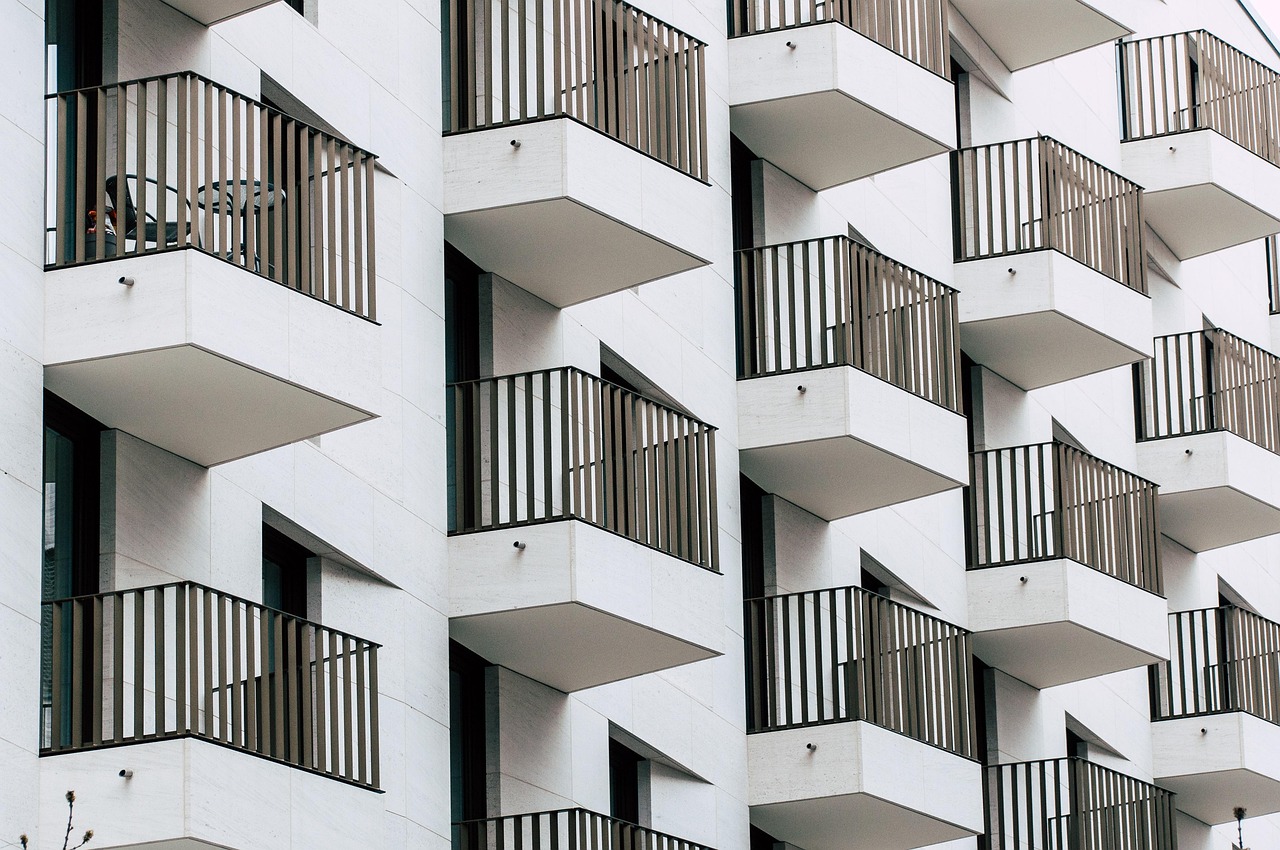 Each balcony in a Korean apartment building corresponds to a unique 호 (unit number) — decoding it tells you exactly which floor and position.
Quick Reference: 동, 호, 차 at a Glance
| Term | Hanja | Meaning | English Equivalent | Example |
|---|---|---|---|---|
| 동 | 棟 | Building/Tower | Building No. | 101동 → Building 101 |
| 호 | 號 | Unit/Number | Unit/Apt No. | 502호 → Unit 502 |
| 차 | 次 | Phase/Stage | Phase | 2차 → Phase 2 |
Frequently Asked Questions
What does 동 mean in a Korean address?
동 (dong) in an apartment address means “building.” For example, 101동 means Building 101 within the apartment complex. It is not the same as 동 used for neighborhood names.
What does 호 mean in Korean?
호 (ho) means “unit number” or “apartment number.” It identifies the specific apartment within a building. The format encodes both floor and position: 502호 means 5th floor, unit 02.
What does 차 mean in a Korean apartment address?
차 (cha) means “phase.” It appears in addresses for large apartment developments that were built in multiple stages. 2차 means Phase 2 of the complex. Not all addresses include 차.
How do I write 동 and 호 in English for a shipping form?
Romanize them as “-dong” and “-ho” (e.g., 101-dong, 502-ho) or convert to “Building 101, Unit 502.” Place this information in the Address Line 2 field, after the complex name.
Is 동 in Korean addresses the same as 동 in neighborhood names?
No. 동 as a neighborhood suffix (e.g., 역삼동 = Yeoksam-dong) refers to an administrative district. 동 as a building number (e.g., 101동) refers to a specific tower within an apartment complex. They are written with different Chinese characters (洞 vs 棟) but pronounced the same.
Do all Korean apartments use this system?
The 동/호 system is standard for Korean 아파트 (apartment complexes). Standalone houses (주택), villas (빌라), and officetel buildings use different formats, though they still use 호 for unit numbers. The 차 is only used for phased developments.
Conclusion
Korean apartment addresses are more informative than they first appear. Once you know that 동 = building, 호 = unit, and 차 = phase, the system clicks into place. A address like “2차 105동 1803호” stops being a cryptic string and becomes a precise, three-dimensional location: Phase 2, Building 105, 18th floor, unit 3.
For your next order from a Korean online store, or when helping a Korean friend receive a package from abroad, you now have everything you need to navigate the address correctly.
Need to convert a full Korean address to English right now? Try Jusome’s free Korean address converter — paste any Korean address and get the properly formatted English version instantly.
What to do next
Guides for actually using your Korean address abroad.