Korea’s 5-Digit Postal Code System: How to Find Yours (2026 Guide)
June 14, 2026
Whether you’re filling out a shipping form, applying for a visa, or helping a friend send a care package from abroad — Korea’s 5-digit postal code system trips up a lot of people. The country transitioned from a 6-digit to a 5-digit system in August 2015, and many international platforms still show outdated formats or confusing instructions.
This guide walks you through exactly what Korea’s postal code system is, why it changed, and — most importantly — how to find the correct 5-digit postal code for any Korean address in under two minutes.
[rank_math_toc]
Key Takeaways
- South Korea uses a 5-digit postal code system introduced in August 2015, replacing the old 6-digit system.
- Every building in Korea has a unique 5-digit code — apartment complexes may share one, but individual units are distinct.
- The official lookup tool is Korea Post’s postal code finder at epost.go.kr.
- For international shipping, always write the 5-digit code — never the old 6-digit format.
- Jusome.com helps you convert, translate, and format any Korean address into English instantly.
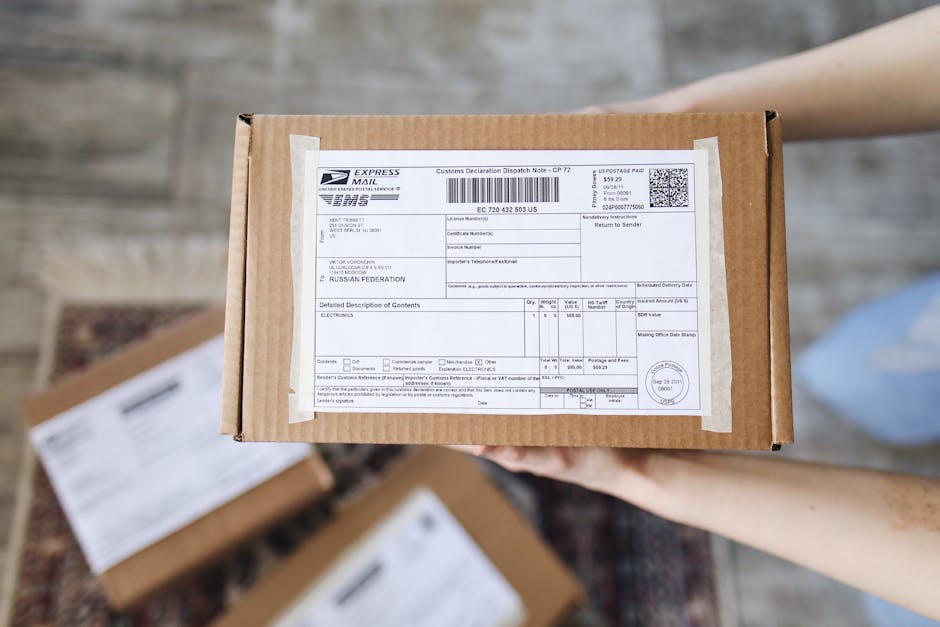
Always use the 5-digit postal code on international shipping labels to Korea.
What Is Korea’s 5-Digit Postal Code?
Korea’s postal code — called 우편번호 (upyeon beonho) in Korean — is a 5-digit numeric identifier assigned to every address in the country. Managed by Korea Post (우정사업본부), the system was completely revamped in August 2015 to align with the new road-name address system (도로명주소) that replaced the legacy lot-number system.
Before the reform, Korea used a 6-digit postal code tied to administrative districts. When the government introduced road-name addresses nationwide, the old codes became mismatched — prompting the switch to a new 5-digit system that maps precisely to street-based locations.
How the 5-Digit Code Is Structured
The 5-digit postal code is not random. It follows a geographic hierarchy:
- First 2 digits — represent the metropolitan city or province (e.g., 03 = Seoul, 21 = Incheon, 61 = Gwangju)
- Next 3 digits — narrow down to the specific district, street, and delivery zone
For example, the postal code 06100 corresponds to a zone in Gangnam-gu, Seoul. The code 63243 points to a location in Jeju Island. Each code covers a delivery unit — which may be a single building, a block, or a cluster of buildings in rural areas.
Why Korea Changed from 6 to 5 Digits
The transition wasn’t just cosmetic. Korea’s government undertook a massive national address reform over more than a decade, officially completing it in 2014. The key driver: the old lot-number addresses (지번주소) were assigned based on when land was registered, not where it was located. Two neighboring buildings could have completely unrelated lot numbers, making navigation and delivery chaotic.
The road-name address system assigned logical, sequential numbers along named streets — similar to how addresses work in the US and Europe. But reorganizing addresses also meant reorganizing postal zones. The result was a fresh 5-digit postal code system, launched August 1, 2015, replacing all 6-digit codes.
Old vs. New: What Changed
| Feature | Old (6-digit, pre-2015) | New (5-digit, post-2015) |
|---|---|---|
| Format | XXX-XXX (with dash) | XXXXX (no dash) |
| Address system | Lot-number (지번) | Road-name (도로명) |
| Granularity | Administrative district | Delivery unit / building |
| International use | Deprecated | Currently valid |
| Total codes | ~36,000 | ~670,000+ |
If you see a Korean postal code formatted with a dash (e.g., 135-080), that is the old 6-digit format — it is no longer valid for mail delivery and will cause delays or returns with international carriers like DHL, FedEx, and UPS.
 Korea Post manages the national postal code database, updated in real time.
How to Find Your Korean Postal Code
There are three reliable methods to look up a Korean 5-digit postal code. All of them are free.
Method 1: Korea Post Official Website
The most authoritative source is the Korea Post postal code search at epost.go.kr. Here’s how to use it:
- Go to Korea Post Zip Code Search
- Enter the Korean address (road name or building name) in the search box
- The results will show the matching address and its 5-digit postal code
- Click the correct result to copy the full standardized address
Tip: If you only know the English version of the address, use Jusome.com to convert it to Korean first, then search on Korea Post.
Method 2: Jusome.com Address Converter
If you have a Korean address but need it in English — or vice versa — Jusome.com handles the translation and includes the official 5-digit postal code in the output. This is especially useful for:
- International shoppers filling out English-only shipping forms
- Expats who received an address in Korean and need to translate it
- Businesses managing Korean customer addresses in English-language CRMs
Method 3: Kakao Map or Naver Map
Both Kakao Map and Naver Map display the 5-digit postal code when you search for a specific address or building. This works well if you already know the Korean name of the place:
- Open Kakao Map or Naver Map
- Search for the building name, business name, or street address in Korean
- Click the location pin — the address details panel will include the postal code
 Korea’s road-name address system enables reliable last-mile delivery across all regions.
Korean Postal Codes by Region
If you know which city or province the address is in, you can verify you have the right region by checking the first two digits of the postal code:
| Region | Postal Code Range |
|---|---|
| Seoul (서울) | 01000 – 09999 |
| Incheon (인천) | 21000 – 23099 |
| Gyeonggi-do (경기) | 10000 – 18999 |
| Gangwon-do (강원) | 24000 – 26499 |
| Chungcheongbuk-do (충북) | 27000 – 29199 |
| Chungcheongnam-do (충남) | 31000 – 33499 |
| Daejeon (대전) | 34000 – 35099 |
| Sejong (세종) | 30000 – 30999 |
| Jeollabuk-do (전북) | 54000 – 56199 |
| Jeollanam-do (전남) | 57000 – 59499 |
| Gwangju (광주) | 61000 – 62999 |
| Gyeongsangbuk-do (경북) | 36000 – 40199 |
| Gyeongsangnam-do (경남) | 50000 – 53199 |
| Daegu (대구) | 41000 – 43199 |
| Ulsan (울산) | 44000 – 45199 |
| Busan (부산) | 46000 – 49999 |
| Jeju (제주) | 63000 – 63999 |
Using Korean Postal Codes for International Shipping
If you’re shipping a package to Korea from the US, Europe, or elsewhere, you’ll need to enter the Korean postal code in the carrier’s form. Here’s what you need to know:
Format for International Carriers
- Always use 5 digits, no dash — write 06235, not 06-235 or 062350
- Country code: KR (for South Korea)
- If the form asks for a “ZIP code,” enter the 5-digit Korean postal code in that field
- Some forms require leading zeros — Korean postal codes starting with 0 (Seoul) must include the zero: 03722, not 3722
Common Shipping Mistakes
- Using the old 6-digit code — always triggers a delay or return
- Dropping the leading zero — causes the address to fail validation on Amazon, eBay, and carrier websites
- Entering the postal code in the wrong field — on US forms, the ZIP code field is meant for US 5-digit codes; always look for a separate “postal code” field for international addresses
- Using apartment number instead of postal code — these are different fields entirely
Korean Address Format: Where the Postal Code Goes
Understanding the full Korean address format helps you place the postal code correctly. In Korean, addresses are written from largest to smallest (country → city → district → street → building number → unit). In English, they’re reversed:
Korean Format (largest to smallest)
서울특별시 강남구 테헤란로 152, 7층 (역삼동)
우편번호: 06236
English Format (smallest to largest)
7F, 152 Teheran-ro, Gangnam-gu,
Seoul 06236, Republic of Korea
Notice that in the English format, the postal code appears after the city name and before the country. This is the format accepted by international carriers and online shipping platforms.
 Missing or incorrect postal codes are the leading cause of international shipping delays to Korea.
What If the Postal Code Doesn’t Match?
Occasionally, you may encounter a situation where the postal code a sender gives you doesn’t match what the carrier’s system returns. This can happen because:
- The sender used an old 6-digit code — look up the address again on Korea Post to get the current 5-digit code
- The building was newly constructed — newly built apartments or office buildings sometimes take 2–6 months to appear in postal databases
- Transliteration error — English spellings of Korean street names vary (Teheran-ro vs. Teherando); use the Korean input on Korea Post for accuracy
- PO Boxes — some institutional addresses use postal box codes that differ from the physical building’s code
When in doubt, verify the address directly with the recipient and cross-check on epost.go.kr or Jusome.com.
Frequently Asked Questions
What is the postal code format for South Korea?
South Korea uses a 5-digit numeric postal code with no dash or space (e.g., 06236). This format replaced the old 6-digit system in August 2015. Always use the 5-digit format for international mail and shipping labels.
How do I find a Korean postal code in English?
The easiest way is to use Jusome.com — enter the address in Korean or English and get the verified postal code with the properly formatted English address. Alternatively, use the Korea Post website (epost.go.kr) with a Korean-language input.
Is the Korean postal code the same as a ZIP code?
They serve the same purpose but are different systems. The US ZIP code and Korea’s postal code are both 5-digit delivery zone identifiers, but they belong to completely separate national systems. When filling out a shipping form, enter the Korean postal code in the “postal code” or “ZIP code” field for Korea.
Do Korean apartments have their own postal code?
Large apartment complexes may share a single 5-digit postal code across all units. The individual unit number (apartment number, floor, dong) is a separate field in the address — it’s not encoded in the postal code. Always include both the postal code and the unit number when shipping to an apartment.
What happens if I use the old 6-digit Korean postal code?
International carriers will usually reject or delay the shipment. The 6-digit format (e.g., 135-080) is no longer in use and will not match any active delivery zone in Korea Post’s system. Always use the current 5-digit code.
Can I look up a Korean postal code by neighborhood name?
Yes, but neighborhood names (동, dong) are not part of the official road-name address system. For best results, search using the road name (도로명) or building number. Korea Post’s website also accepts neighborhood names as a secondary search input.
Conclusion
Korea’s 5-digit postal code system is straightforward once you know what you’re looking at. The key points: always use 5 digits (no dash), always include a leading zero if the code starts with 0, and verify against Korea Post’s official database or Jusome.com if you’re unsure about an address.
Whether you’re shipping a care package, completing a visa application, or setting up delivery for your Korean online shopping orders — the correct postal code is just a few clicks away.
Need to convert a Korean address to English with the postal code included? Try Jusome.com for free — no sign-up required.
What to do next
Guides for actually using your Korean address abroad.