
Korean Embassies Worldwide: How to Locate Korean Consulates Near You
May 27, 2026
Whether you’re applying for a Korean visa, renewing your passport, or need consular assistance abroad, knowing where your nearest Korean embassy or consulate is located can save you significant time and stress. With over 170 diplomatic missions worldwide, the Republic of Korea maintains one of Asia’s most extensive consular networks — yet finding the right office for your specific needs isn’t always straightforward.
This guide walks you through everything you need to know: how to locate Korean embassies near you, what services they offer, and region-by-region breakdowns of key locations across North America, Europe, Asia, and beyond.
[toc]
Key Takeaways
- South Korea operates 170+ diplomatic missions in over 110 countries worldwide
- Korean embassies and consulates handle passports, visas, notarization, and emergency assistance
- The official Ministry of Foreign Affairs directory at mofa.go.kr is the most reliable way to find your nearest mission
- Appointment-based services are now standard at most Korean consulates — walk-ins are often not accepted
- Korean consulates can assist with English-language address formatting and official document translation
What Is the Difference Between a Korean Embassy and a Consulate?
Before diving into locations, it helps to understand the distinction between these two types of diplomatic missions:
| Feature | Korean Embassy | Korean Consulate |
|---|---|---|
| Location | Capital city only | Major cities outside the capital |
| Head | Ambassador | Consul General or Consul |
| Full diplomatic functions | Yes | Limited (consular services only) |
| Visa processing | Yes | Yes (for designated regions) |
| Passport renewal | Yes | Yes |
| Emergency assistance | Yes | Yes |
In practice, for most everyday needs — visa applications, passport renewals, document notarization — your nearest consulate general will handle the service just as effectively as the embassy itself. The key difference is jurisdiction: each consulate serves a specific geographic region within the host country.
How to Find Your Nearest Korean Embassy or Consulate
Method 1: Official MOFA Directory
The most authoritative source is the Ministry of Foreign Affairs of Korea (MOFA) official website. Navigate to the overseas missions section at mofa.go.kr and use the “Overseas Missions” directory. You can search by country or continent and get the exact address, phone number, and operating hours.
Method 2: 외교부 홈페이지 (For Korean Citizens)
Korean nationals can also use the dedicated portal for overseas Koreans, which includes emergency contact numbers, appointment booking links, and downloadable forms. This portal is available in Korean, English, and select regional languages.
Method 3: Embassy Locator Apps
Several third-party apps aggregate embassy data globally. While convenient, always verify details against the official MOFA directory, as hours and contact information change frequently — especially around Korean national holidays such as Chuseok and Seollal when missions may close for extended periods.
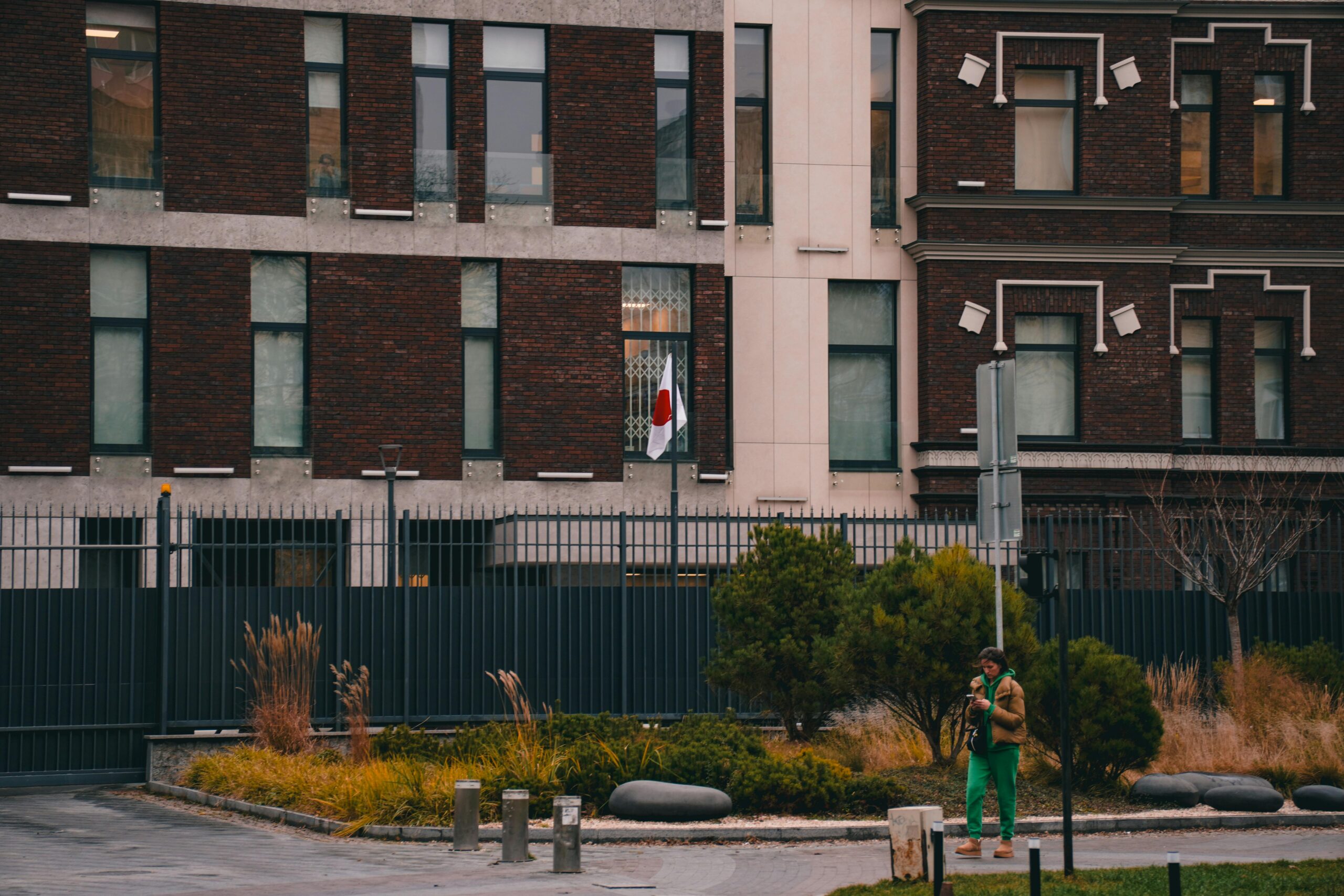 Korean consulates offer a range of services from visa processing to notarization
Korean Embassies in North America
North America hosts some of Korea’s busiest diplomatic missions, serving large Korean-American and Korean-Canadian communities, as well as high volumes of visa and trade-related applications.
United States
The Embassy of the Republic of Korea in Washington D.C. is the primary mission, but the U.S. also has consulates general in:
- New York — serving the Northeast (NY, NJ, CT, MA, and surrounding states)
- Los Angeles — serving California, Nevada, Arizona, New Mexico, Hawaii
- Chicago — serving the Midwest
- San Francisco — serving Northern California, Oregon, Washington state
- Houston — serving Texas, Oklahoma, Louisiana, Arkansas, Mississippi
- Atlanta — serving the Southeast
- Boston — serving New England states
- Seattle — serving the Pacific Northwest and Alaska
- Honolulu — serving Hawaii
Each U.S. consulate has a defined service region. You must apply through the consulate that covers your state of residence, not just the nearest office geographically.
Canada
The Korean Embassy in Ottawa serves as the primary mission, with consulates general in:
- Toronto — serving Ontario and Eastern Canada
- Vancouver — serving British Columbia, Alberta, and Western Canada
- Montreal — serving Quebec and francophone provinces
Korean Embassies in Europe
Europe hosts Korean diplomatic missions in virtually every EU member state, reflecting Korea’s deep trade and cultural ties with the continent.
| Country | City | Mission Type |
|---|---|---|
| United Kingdom | London | Embassy |
| Germany | Berlin, Frankfurt, Hamburg, Munich | Embassy + 3 Consulates General |
| France | Paris | Embassy |
| Spain | Madrid, Barcelona | Embassy + Consulate General |
| Italy | Rome, Milan | Embassy + Consulate General |
| Netherlands | The Hague | Embassy |
| Sweden | Stockholm | Embassy |
| Poland | Warsaw | Embassy |
| Russia | Moscow, St. Petersburg, Vladivostok, Irkutsk, Yuzhno-Sakhalinsk | Embassy + 4 Consulates General |
Germany has the highest concentration of Korean diplomatic missions in Europe, reflecting the large Korean community (including descendants of the miners and nurses who came in the 1960s–70s) and strong bilateral economic ties.
 Korean embassies assist with a wide range of official documentation needs
Korean Embassies in Asia-Pacific
Given Korea’s geographic position and deep regional ties, Asia-Pacific hosts some of the highest-traffic Korean consular missions globally.
Japan
Japan has the largest Korean diaspora outside Korea itself (~500,000 Zainichi Koreans), making its consular network extensive:
- Embassy in Tokyo
- Consulates General in Osaka, Fukuoka, Hiroshima, Nagoya, Sapporo, Sendai, Niigata, Kobe, Yokohama
China
Korea’s largest trading partner hosts missions in Beijing (Embassy) plus consulates general in Shanghai, Guangzhou, Qingdao, Shenyang, Chengdu, Wuhan, and Xi’an — covering the major Korean business and student communities across China.
Southeast Asia
Every ASEAN nation has at least one Korean diplomatic mission. Key locations include:
- Vietnam: Embassy in Hanoi + Consulate General in Ho Chi Minh City
- Philippines: Embassy in Manila + Consulate General in Cebu
- Thailand: Embassy in Bangkok
- Indonesia: Embassy in Jakarta
- Singapore: Embassy in Singapore City
- Malaysia: Embassy in Kuala Lumpur
Australia and New Zealand
Australia hosts a large Korean student and expat community, with missions in Canberra (Embassy) and consulates general in Sydney, Melbourne, Brisbane, and Perth. New Zealand has an embassy in Wellington.
Services Provided by Korean Embassies and Consulates
For Korean Citizens Abroad
- Passport issuance and renewal — standard and emergency
- Family registry and resident registration changes
- Notarization and authentication of Korean documents
- Overseas voting registration for national elections
- Emergency assistance — lost passport, arrest, hospitalization
- Military service consultation for Korean men of service age
For Foreign Nationals
- Korean visa applications — tourism, business, work, study, family reunion
- Visa extension requests (in some cases)
- Document authentication for use in Korea (apostille)
- Investment and trade consultation
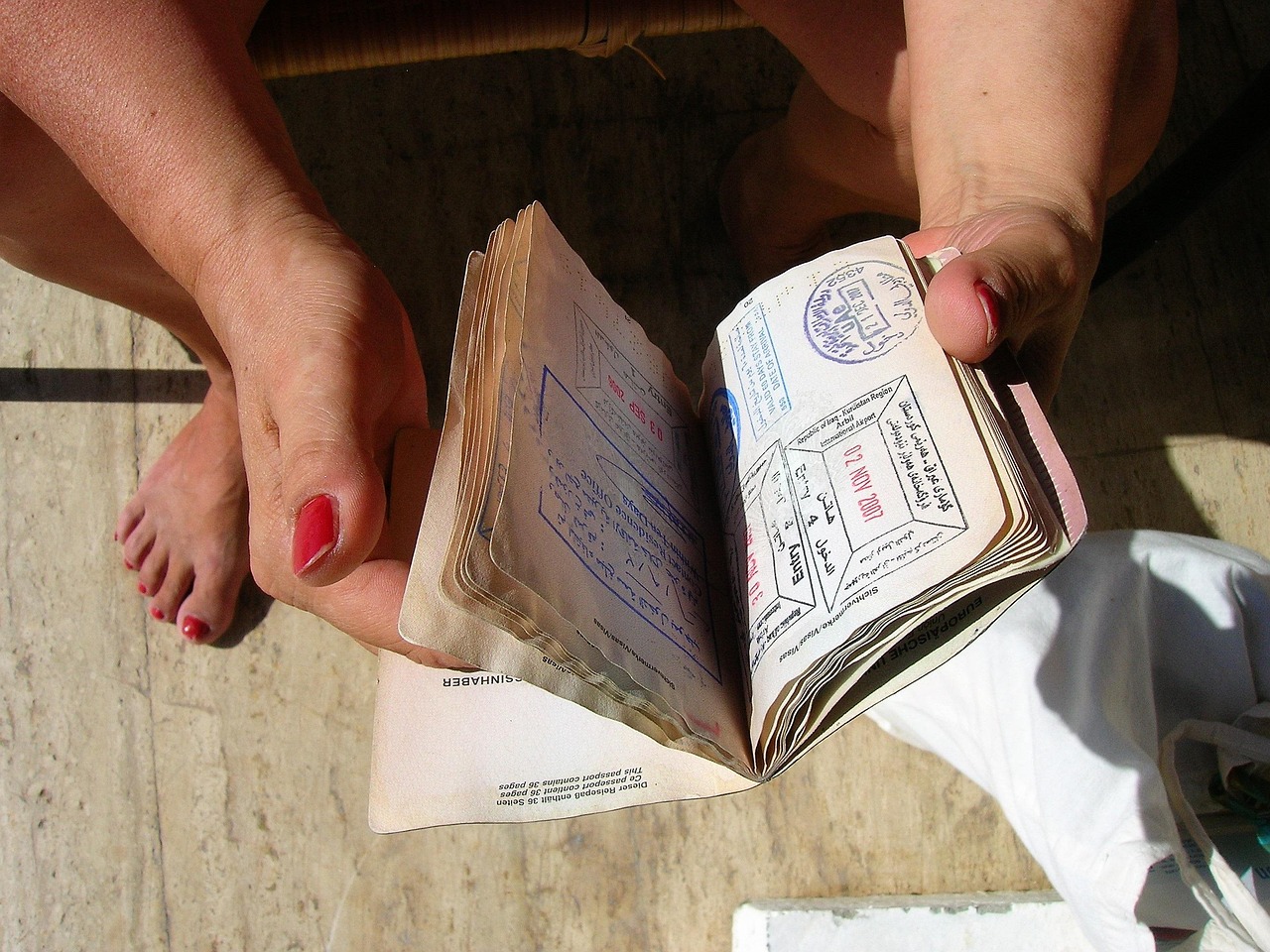 Korean consulates process passports, visas, and official documents for citizens and foreign nationals
How to Contact a Korean Embassy: Step-by-Step
Step 1: Identify Your Jurisdiction
In countries with multiple Korean missions, your state, province, or region determines which office you must use. Check the MOFA website’s jurisdiction map for your specific country.
Step 2: Book an Appointment
Most Korean consulates moved to appointment-only systems after 2020. Walk-ins are generally accepted only for genuine emergencies. Use the consulate’s official website or the Overseas Koreans Foundation portal to book online.
Step 3: Prepare Your Documents
Requirements vary by service type. Common documents include valid identification (passport or resident card), a completed application form downloadable from the consulate’s website, supporting documents specific to your request, and the applicable fee.
Step 4: Arrive and Submit
Arrive 10–15 minutes before your appointment. Most Korean consulates are strict about appointment windows. Bring original documents plus photocopies — staff will often require both.
Korean Embassy Hours and Holiday Closures
Korean diplomatic missions follow a dual holiday schedule: both Korean public holidays and the host country’s national holidays. Key Korean holidays that affect embassy operations:
- Seollal (Korean Lunar New Year) — 3-day closure, usually January–February
- Chuseok (Korean Thanksgiving) — 3-day closure, usually September–October
- National Foundation Day — October 3
- Hangul Day — October 9
- Liberation Day — August 15
Always check the specific consulate’s website before visiting, especially during the Chuseok and Seollal seasons.
Emergency Consular Assistance for Koreans Abroad
If you’re a Korean citizen facing an emergency abroad — arrest, serious illness, natural disaster, or loss of all travel documents — Korean embassies operate 24-hour emergency lines. The MOFA global emergency number (+82-2-3210-0404) connects callers to the duty officer system for after-hours emergencies. Many embassies also participate in the “Safe Return” program, which can arrange emergency travel documents within 24–48 hours for stranded citizens.
A Note on Korean Address Formats for Embassy Use
When submitting documents to a Korean embassy or mailing anything to an address in Korea, it’s important to use the correct Korean address format. Korean addresses follow a hierarchical structure (province → city → district → street → building number) that differs significantly from Western formats.
If you need to convert a Korean address to English format — for shipping documents back to Korea, filling in forms at the consulate, or online orders — Jusome can automatically translate and format Korean addresses into proper English notation, including postal codes.
Frequently Asked Questions
How do I find the Korean embassy in my country?
Visit the official MOFA website at mofa.go.kr and navigate to “Overseas Missions.” Search by country or continent to find the full address, phone number, and hours of your nearest Korean embassy or consulate general.
Can I apply for a Korean visa at any Korean consulate?
No — you must apply at the Korean consulate that has jurisdiction over your place of residence. In countries with multiple consulates, each office serves a designated set of states or regions. Check the consulate’s website for its specific service area.
How long does it take to get a Korean visa from an embassy?
Processing times vary by visa type and the consulate’s workload. Tourist visas (C-3) typically take 3–5 business days. Work and student visas may take 2–4 weeks. Some consulates offer expedited processing for an additional fee.
Do Korean consulates provide translation services?
Korean consulates do not typically provide in-office translation services for submitted documents. You are responsible for supplying certified translations of any non-Korean documents. However, staff can generally assist in both Korean and English for communication purposes.
What should I do if I lose my Korean passport abroad?
Report the loss to local police first and get a police report, then contact your nearest Korean embassy or consulate immediately. You can apply for an emergency travel certificate or expedited passport. Bring your police report, a recent photo, and any other identification available.
Are Korean embassy services available in English?
Yes. Most Korean embassies and consulates in English-speaking countries operate with bilingual staff. Websites for major missions (U.S., UK, Canada, Australia) provide information in both Korean and English. In non-English-speaking countries, assistance in the local language and Korean is typically available.
Conclusion
Finding the right Korean embassy or consulate for your needs doesn’t have to be complicated. The MOFA official directory is your most reliable starting point, and once you’ve confirmed your jurisdiction, booking an appointment online will save you hours of waiting. Whether you’re renewing a Korean passport, applying for a K-visa, or need emergency consular assistance, Korea’s global diplomatic network is designed to serve both its citizens abroad and foreign nationals looking to engage with Korea.
Planning to ship documents or packages to Korea? Make sure you have the address formatted correctly first — Jusome’s free Korean address converter handles the formatting and postal code lookup for you, ensuring your mail reaches its destination without issues.
What to do next
Guides for actually using your Korean address abroad.