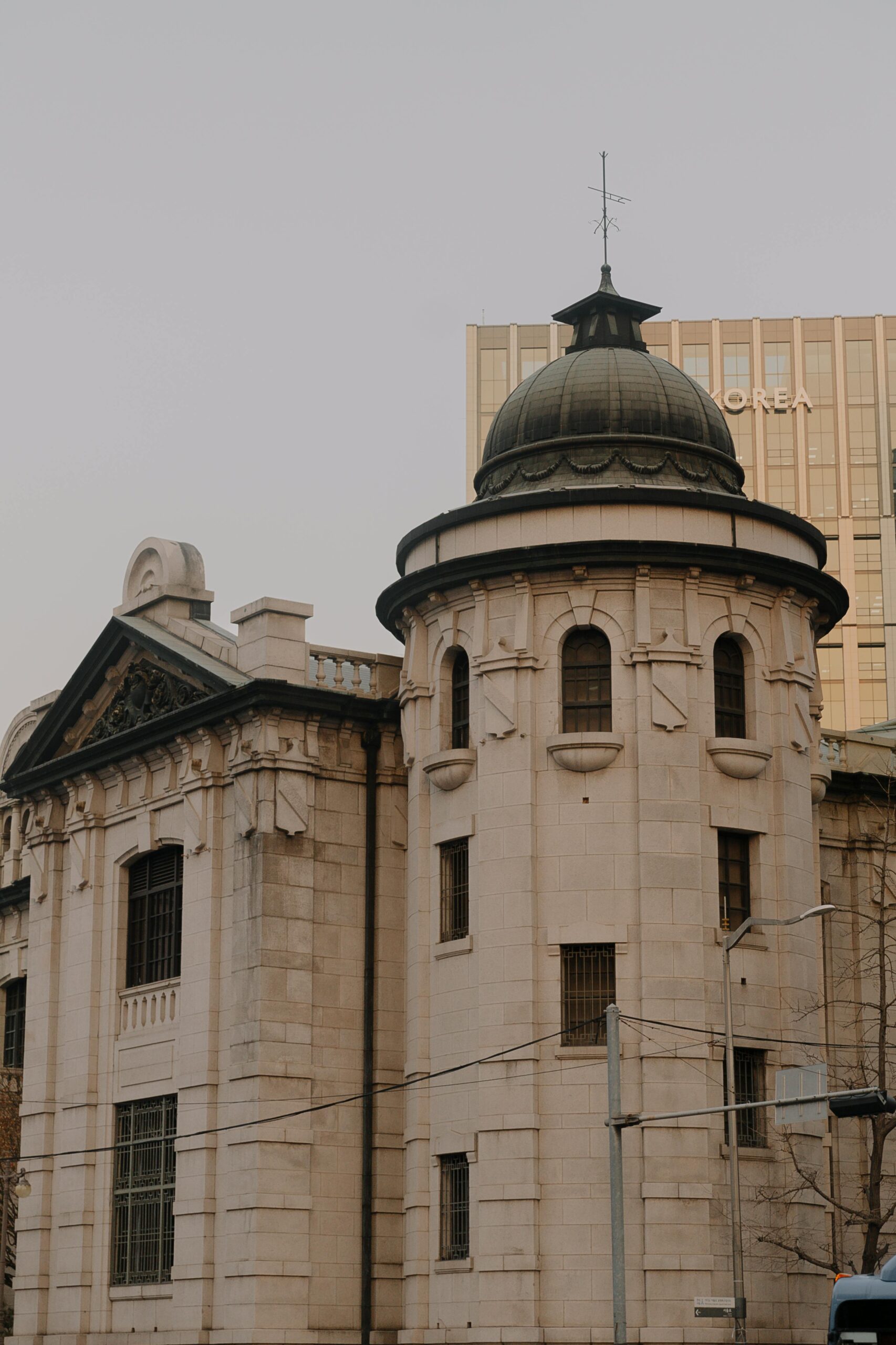
Korean Government Buildings: Complete Address & Visiting Guide
May 31, 2026
Navigating Korean government buildings can feel overwhelming if you don’t know where to start. Whether you’re applying for a visa, registering your address, or handling paperwork for the first time, knowing the exact address — and understanding how the Korean address system works — saves you hours of confusion.
This guide covers the most visited Korean government buildings, their addresses in both Korean and English format, and practical tips for your visit.
Key Takeaways
- Major Korean government ministries are concentrated in Sejong City and Seoul’s Gwanghwamun area
- Always bring your passport or ARC card when visiting any government office
- Most offices are open Monday–Friday, 9:00 AM–6:00 PM
- Korean addresses follow [City] → [District] → [Road name + number] order
- Use jusome.com to instantly convert any Korean address to English format
How the Korean Address System Works for Government Buildings
Since 2014, South Korea uses a road-name address system (도로명주소). If you’ve seen an address like:
정부세종청사, 세종특별자치시 한누리대로 2130
That translates to:
Government Complex Sejong, 2130 Hannuri-daero, Sejong Special Self-Governing City
For government buildings, addresses typically include:
- 광역시/도 — Metropolitan City or Province (e.g., Seoul, Gyeonggi-do)
- 시/군/구 — City, County, or District (e.g., Jongno-gu)
- 도로명 + 번호 — Road name and building number (e.g., Sejong-daero 209)
- 건물명 — Building name, especially important for large government complexes
Need to convert a Korean government address to English for a form or shipping label? jusome.com handles the conversion instantly.
Major Korean Government Buildings: Addresses & Visiting Info
1. Sejong Government Complex (정부세종청사)
The Sejong Government Complex is South Korea’s primary administrative hub, housing 36 central government ministries and agencies. Built in Sejong Special Self-Governing City, it represents Korea’s effort to decentralize government functions away from Seoul.
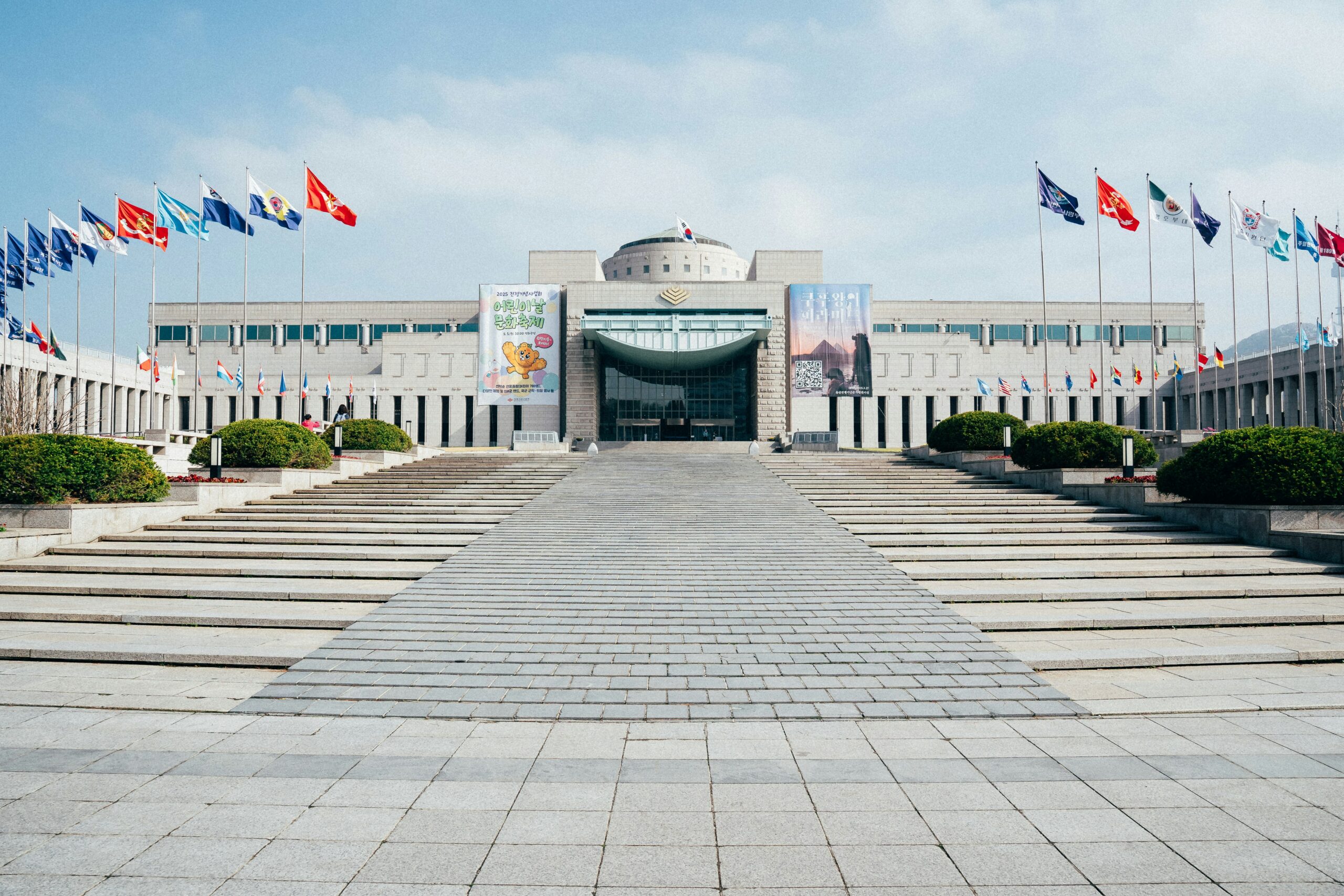
| Korean Address | 세종특별자치시 한누리대로 2130 |
| English Address | 2130 Hannuri-daero, Sejong Special Self-Governing City, 30121 |
| Hours | Mon–Fri, 9:00 AM – 6:00 PM |
Key ministries located here:
- Ministry of Strategy and Finance (기획재정부)
- Ministry of Education (교육부)
- Ministry of Science and ICT (과학기술정보통신부)
- Ministry of Health and Welfare (보건복지부)
- Ministry of Environment (환경부)
Getting there: Take the BRT (Bus Rapid Transit) from Osong Station (KTX) directly to the complex. Security ID checks are mandatory at the entrance.
2. Seoul Government Complex (정부서울청사)
Located in the historic Gwanghwamun area, the Seoul Government Complex hosts critical ministries including the Prime Minister’s coordination office. It’s the most accessible major government complex for international visitors.
| Korean Address | 서울특별시 종로구 세종대로 209 |
| English Address | 209 Sejong-daero, Jongno-gu, Seoul, 03171 |
| Hours | Mon–Fri, 9:00 AM – 6:00 PM |
Key offices:
- Office of Government Policy Coordination (국무조정실)
- Ministry of Unification (통일부)
- Ministry of Gender Equality and Family (여성가족부)
- Korea Communications Commission (방송통신위원회)
Getting there: Subway Line 5, Gwanghwamun Station (광화문역), Exit 4 — 5-minute walk.
3. Gwacheon Government Complex (정부과천청사)
Just south of Seoul in Gyeonggi-do, the Gwacheon complex houses major regulatory and enforcement agencies.
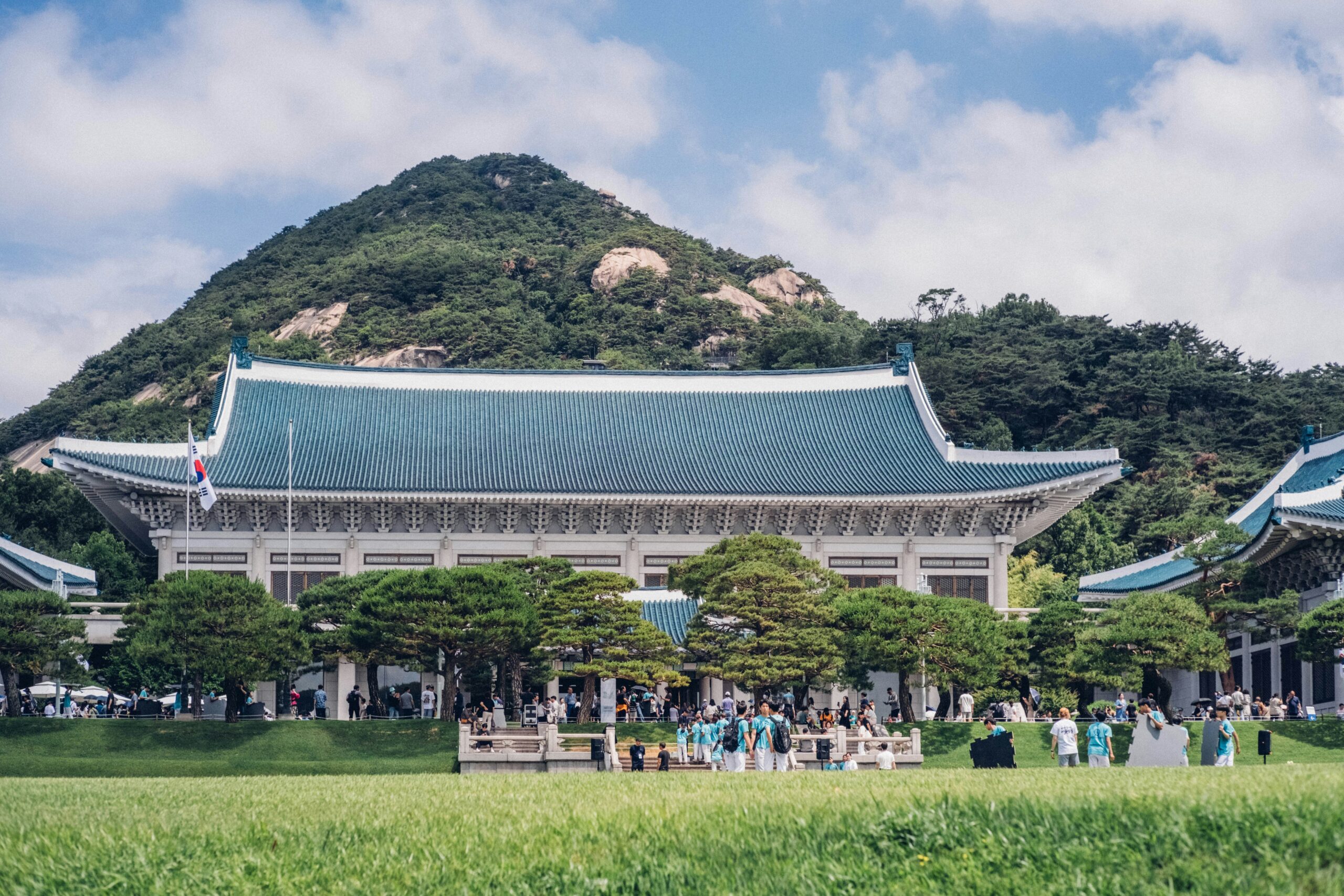
| Korean Address | 경기도 과천시 관문로 47 |
| English Address | 47 Gwanmun-ro, Gwacheon-si, Gyeonggi-do, 13809 |
| Hours | Mon–Fri, 9:00 AM – 6:00 PM |
Key agencies:
- National Tax Service (국세청)
- Korea Customs Service (관세청)
- Statistics Korea (통계청)
- National Election Commission (중앙선거관리위원회)
- Ministry of Justice (법무부)
Getting there: Subway Line 4, Government Complex Gwacheon Station (정부과천청사역) — the complex is right next to the exit.
4. Seoul Immigration Office (서울출입국·외국인청)
For most foreigners in Korea, the Seoul Immigration Office is the most important government building to know. This is where you handle visa extensions, ARC applications, and residency-related paperwork.
| Korean Address | 서울특별시 양천구 목동동로 151 |
| English Address | 151 Mokdongdong-ro, Yangcheon-gu, Seoul, 07997 |
| Hours | Mon–Fri, 9:00 AM – 6:00 PM (closed 12:00–1:00 PM) |
| Phone | 1345 (Immigration Contact Center) |
Getting there: Subway Line 2, Yangcheon-gu Office Station (양천구청역), Exit 4 — 10-minute walk. Online appointment booking is strongly recommended via the Hi Korea portal.
5. Ministry of Foreign Affairs (외교부)
For Korean visa applications, apostille services, and consular matters, the Ministry of Foreign Affairs headquarters is relevant — though most services are handled at Korean embassies abroad.
| Korean Address | 서울특별시 종로구 사직로8길 60 |
| English Address | 60 Sajik-ro 8-gil, Jongno-gu, Seoul, 03172 |
| Hours | Mon–Fri, 9:00 AM – 6:00 PM |
Getting there: Subway Line 3, Gyeongbokgung Station (경복궁역), Exit 1 — 5-minute walk.
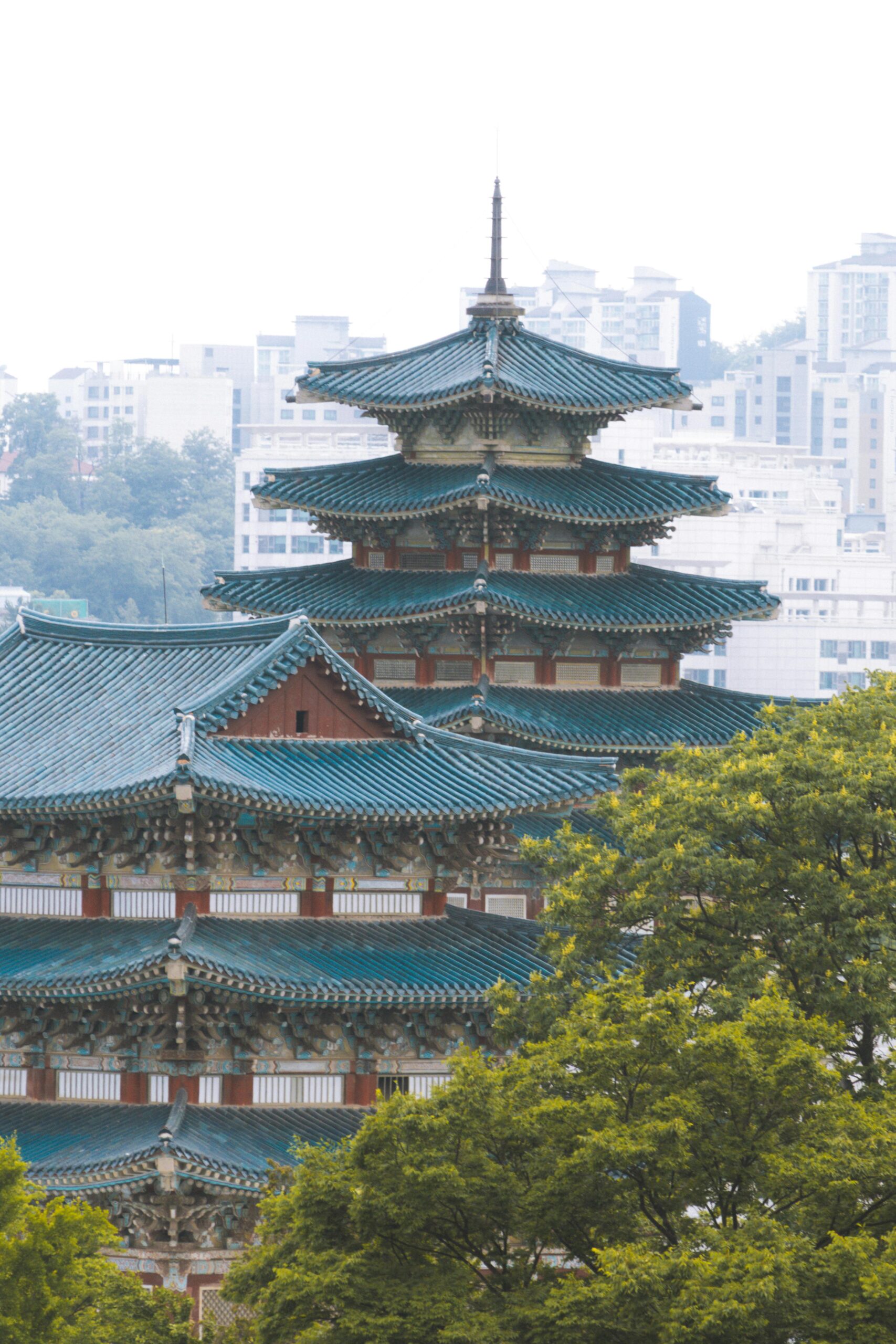
6. Korea Customs Service (관세청)
For international shoppers dealing with parcels held at Korean customs, or businesses handling import/export clearance, the Korea Customs Service is your point of contact.
| Korean Address | 세종특별자치시 타청로 189 |
| English Address | 189 Tacheong-ro, Sejong Special Self-Governing City, 30149 |
| Customs Helpline | 125 (within Korea) |
Note: Parcel customs issues are handled by regional offices, not the Sejong headquarters. Check customs.go.kr for your regional contact.
Quick Reference: Korean Government Buildings Address Table
| Building | City | English Address | Subway |
|---|---|---|---|
| Sejong Government Complex | Sejong | 2130 Hannuri-daero, Sejong | BRT from Osong KTX |
| Seoul Government Complex | Seoul | 209 Sejong-daero, Jongno-gu | Line 5, Gwanghwamun |
| Gwacheon Government Complex | Gwacheon | 47 Gwanmun-ro, Gwacheon | Line 4, Gwacheon Complex |
| Seoul Immigration Office | Seoul | 151 Mokdongdong-ro, Yangcheon-gu | Line 2, Yangcheon-gu Office |
| Ministry of Foreign Affairs | Seoul | 60 Sajik-ro 8-gil, Jongno-gu | Line 3, Gyeongbokgung |
| Korea Customs HQ | Sejong | 189 Tacheong-ro, Sejong | BRT from Osong KTX |
How to Read a Korean Government Address in English
If you receive an official Korean document with an address, here’s how to decode it:
Example: 서울특별시 종로구 세종대로 209 정부서울청사
| Korean | English | Meaning |
|---|---|---|
| 서울특별시 | Seoul | City level |
| 종로구 | Jongno-gu | District level |
| 세종대로 209 | 209 Sejong-daero | Road + number |
| 정부서울청사 | Seoul Government Complex | Building name |
Result: Seoul Government Complex, 209 Sejong-daero, Jongno-gu, Seoul, 03171
For any Korean address, use jusome.com for automatic Korean-to-English address conversion.
Tips for Visiting Korean Government Offices as a Foreigner
Book an Appointment Online
Many Korean government offices offer online appointment systems. The Hi Korea portal (hikorea.go.kr) handles immigration appointments in English. Government24 (gov.kr) covers a wide range of other services.
Required Documents
- Passport or ARC card — always required for entry
- Reservation number if you booked an online appointment
- Relevant forms — downloadable from official ministry websites
Language Support
Many offices in Seoul have English-speaking staff at information desks. For remote help, dial 1345 — Korea’s immigration helpline available in multiple languages including English, Chinese, and Vietnamese.
Practical Timing Tips
- Avoid Monday mornings — busiest time at most offices
- Government offices close for lunch 12:00–1:00 PM
- Arrive 30 minutes early — security checks take time
- Check Korean public holidays before visiting — offices close completely
Frequently Asked Questions
What is the address of the Seoul Immigration Office in English?
The Seoul Immigration Office address in English is: 151 Mokdongdong-ro, Yangcheon-gu, Seoul, 07997. Take Subway Line 2 to Yangcheon-gu Office Station, Exit 4. Book appointments in advance at hikorea.go.kr.
Where is the Korean Ministry of Foreign Affairs located?
The Ministry of Foreign Affairs (외교부) is at 60 Sajik-ro 8-gil, Jongno-gu, Seoul. Take Subway Line 3 to Gyeongbokgung Station, Exit 1. For visa and consular services, visit your nearest Korean embassy abroad.
Are Korean government buildings open to the public?
Public service areas are open Monday through Friday, 9:00 AM to 6:00 PM. Entry requires a valid passport or ARC card. You may need to register at the security desk and receive a visitor badge.
How do I convert a Korean government building address to English?
Use jusome.com — enter the Korean address and get the properly formatted English version instantly. Useful for visa applications, official forms, and international shipping labels.
What ID do I need to enter a Korean government building?
A valid passport or ARC card (Alien Registration Card) is required at all Korean government buildings. For restricted departments, you also need an appointment confirmation. Visitor badges are issued at the security desk.
Which Korean government complex houses the most ministries?
The Sejong Government Complex (정부세종청사) at 2130 Hannuri-daero, Sejong City is the largest, housing 36 ministries and agencies. The Seoul Government Complex handles offices requiring proximity to the capital.
Conclusion
Whether you’re an expat managing immigration paperwork, a student handling enrollment documents, or an international shopper tracking a customs hold, knowing the exact address of Korean government buildings — and how to read them in English — is essential.
Bookmark this guide as your go-to reference. Whenever you need to convert a Korean address to English for official forms, documents, or shipping labels, visit jusome.com for fast, accurate Korean address conversion.
What to do next
Guides for actually using your Korean address abroad.